
Amid Ishan Kishan's Injury, India's Real Second-T20I Question Is XI Balance
**मुख्य उत्तर:** ईशान किशन दूसरे टी20ई से बाहर हैं क्योंकि पहले टी20ई में लगी दाहिनी अडक्टर मांसपेशी में लो-ग्रेड स्ट्रेन की पुष्टि हुई है; भारत पांच मैचों की सीरीज़ में 1-0 से आगे है। **मुख्य तथ्य:** • बीसीसीआई ने दाहिनी अडक्टर में लो-ग्रेड स्ट्रेन की पुष्टि की; ईशान किशन दूसरे टी20ई से बाहर हैं। • चोट पहले टी20ई में लगी, जिसमें भारत ने पुरुष टी20ई में अपनी सबसे बड़ी सफल चेज़ पूरी की। • भारत पांच मैचों की सीरीज़ में 1-0 से आगे है और न्यूज़ीलैंड में मेहमान टीम है। • बीसीसीआई ने वापसी की समय-सीमा या प्रतिस्थापन का नाम घोषित नहीं किया। **स्रोत:** बीसीसीआई मेडिकल अपडेट, आईसीसी द्वारा प्रकाशित; प्रकाशन तिथि उपलब्ध नहीं। **संबंधित प्रश्न-उत्तर:** प्रश्न: क्या ईशान किशन तीसरे टी20ई में खेल सकते हैं? उत्तर: बीसीसीआई ने केवल निगरानी की बात कही है, इसलिए तीसरे टी20ई के लिए उपलब्धता की पुष्टि नहीं है। प्रश्न: भारत के लिए दूसरे टी20ई में असली चुनौती क्या है? उत्तर: भारत के लिए असली चुनौती विकेटकीपिंग और टॉप-ऑर्डर बल्लेबाजी दोनों की जगह भरते हुए इलेवन का संतुलन बनाए रखना है। प्रश्न: क्या यह चोट भारत की सीरीज़ स्थिति को बदलती है? उत्तर: 1-0 की बढ़त और लो-ग्रेड स्ट्रेन के कारण यह एक मैच का संतुलन मुद्दा है, सीरीज़ संकट नहीं।
At the MCA Stadium nets in Pune, a wicketkeeper's first twenty minutes are the most honest part of the session. The batsmen are still warming up, the coach runs a finger along the glove seam, and the keeper pushes left and right. I have watched enough of these sessions to know the body tells the truth before the bat does. Some sessions are measured in reps; the important ones are measured in silences. Ishan Kishan was part of India's first-choice XI in the first T20I. India chased to complete its highest successful chase in men's T20Is. Then came the BCCI medical update, published through the ICC: low-grade right adductor strain, ruled out of the second T20I. The notebook remembers what the scoreboard forgets. The scoreboard recorded the runs; it did not record how often the keeper had to run in the chase.
India lead the five-match series 1-0 and are the visiting side in New Zealand. The second T20I is the control match of the series. A 2-0 lead in a five-match T20I series materially reduces the risk of losing the series; at 1-1, the series becomes a best-of-three and the momentum shifts to the home side. The available team update gives no venue, score, scan report or replacement name. That is an information gap, but it also imposes discipline: one record chase cannot settle the pitch for the next match. BCCI has said it will monitor Kishan's progress. That is selection-management language rather than medical language; it keeps the return date open.
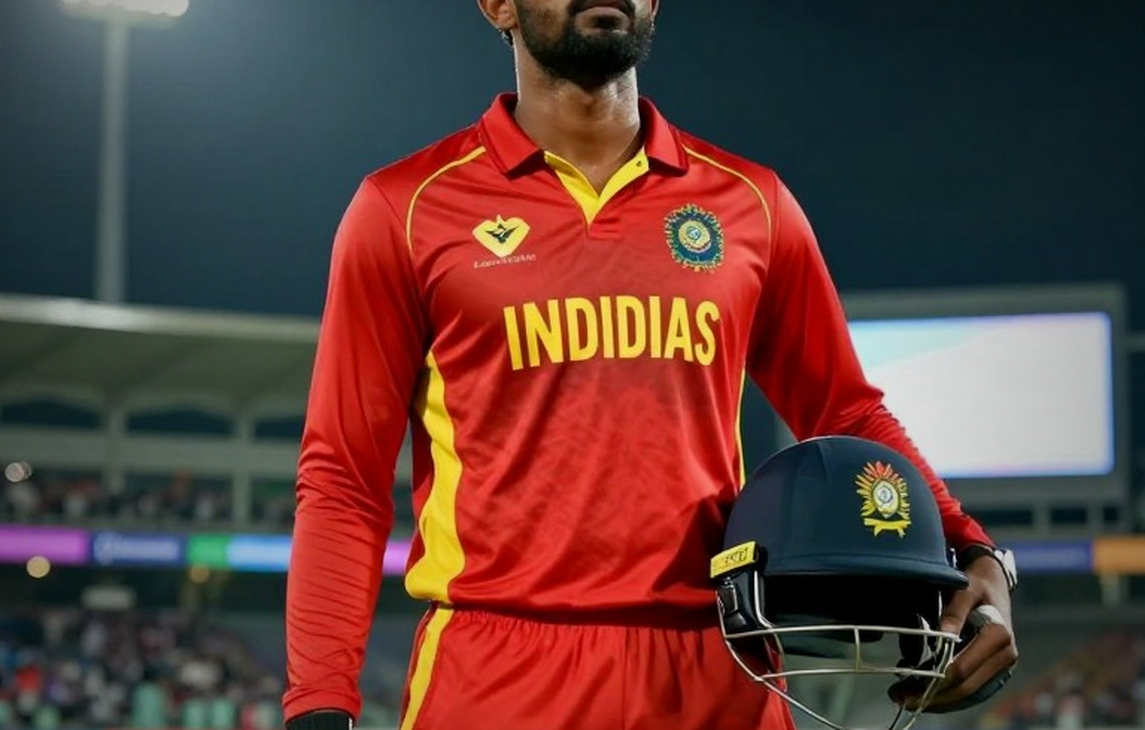
A low-grade right adductor strain sounds small. For a wicketkeeper, the adductor is loaded by the deep squat, the lateral push and the dive. For a batter, the same muscle group is loaded by sprinting between the wickets, turning and braking. Kishan's dual role makes this a combination problem: he is a top-order batter and a wicketkeeper. The injury affects two jobs at once, so India are not replacing a batter; they are rebalancing an XI. Low-grade usually maps to a Grade 1-type strain with a days-to-low-weeks recovery band, but BCCI gave no timeline. Any return date for the second T20I would be speculation.
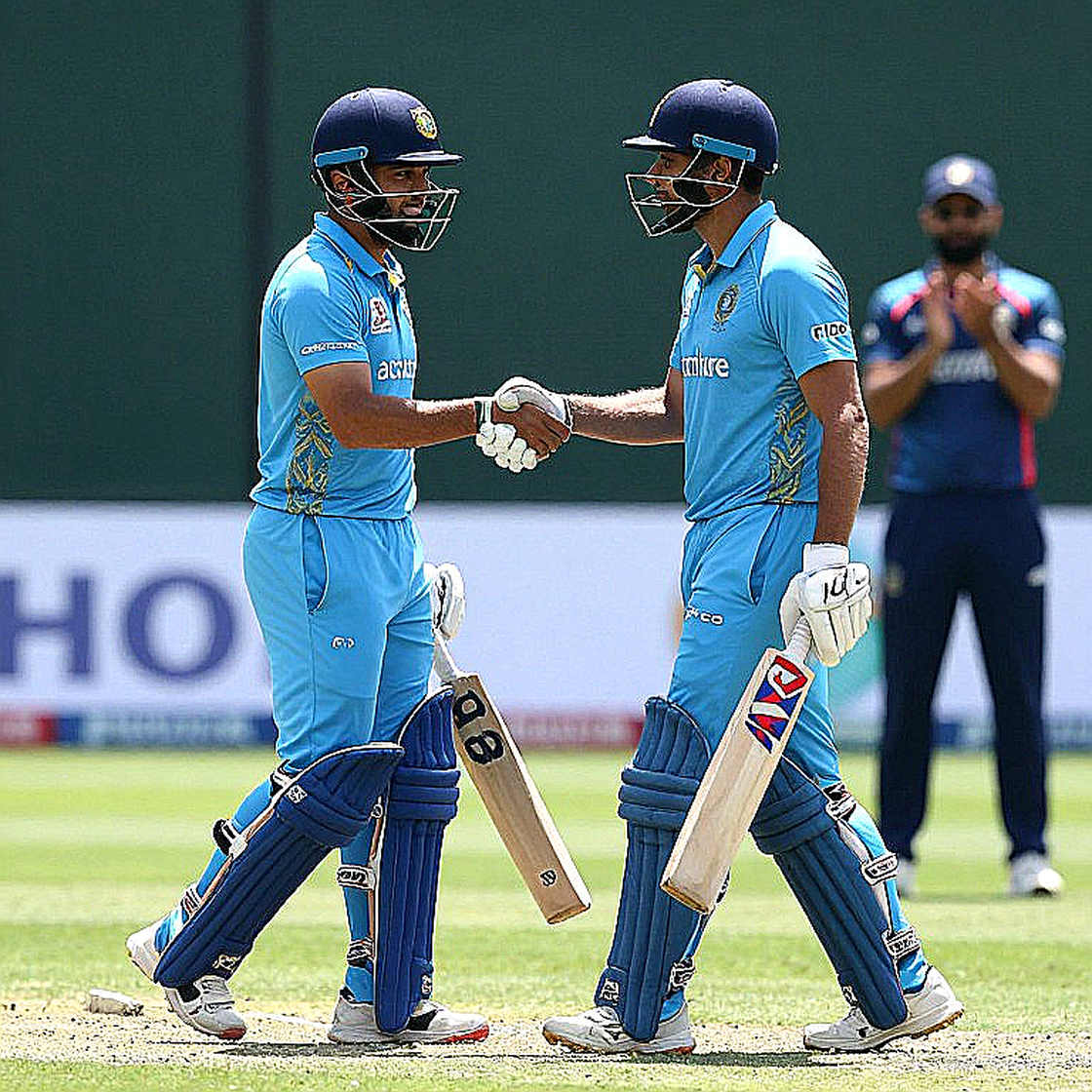
The real question is not Kishan's run tally. It is the drop-off to the next keeper-batter. India's bench-depth test is the quality of the second-choice keeper-batter, not the name of the replacement. A specialist keeper may shorten the batting depth. A part-time gloveman keeps the batting long but puts the keeping quality at risk. That choice will reveal India's self-assessment: safety first, or batting depth first. Kishan was in the first-choice XI, so this is not a fringe player's absence. It is the kind of problem created when one player fills two scarce resources at once.
New Zealand conditions make the rebalancing harder. Seam movement, wind and different ground dimensions ask different questions of a visiting top order. Rebuilding a top order at home is one thing; doing it mid-series away is another. Kishan's absence therefore carries more weight than a single player. For New Zealand, the second T20I is the highest-leverage moment of the series. A 1-1 score would apply pressure before India's new combination settles. For India, this is a balance match rather than an experimentation match.
The phase logic of T20I cricket is clear: powerplay fielding restrictions, middle-over spin control, and death-over yorkers and boundary hitting. A keeper's injury management sits inside that structure. If Kishan is unavailable as a batter too, India may need another top-order change. If he is available as a batter and someone else takes the gloves, that is a temporary fix; keeping load can put the adductor under stress again. In medical language, monitoring often means the board has kept the door open. It is an option, not an answer.
The available team update has no T20I average, strike rate, venue, score or head-to-head record for Kishan. His IPL numbers cannot be substituted for T20I numbers. That discipline matters because injury news is easy to fill with opinion when data is thin. In my years of watching training sessions, a keeper's return is never tested by batting alone. The coach starts with lateral movement, then a standing start, then the deep squat. Only when those three are done without swelling and without fear do the gloves come back on for a match.
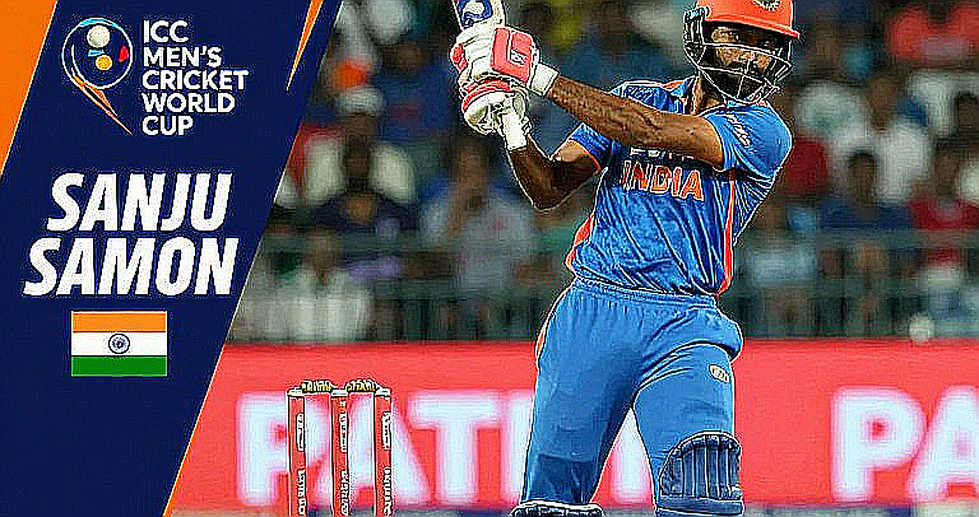
The headline calls this an injury blow. The evidence is lighter: a low-grade strain, one match affected, a 1-0 lead and a monitoring statement. The evidence points to an XI balance test more than a series crisis. The outside read says India's batting will weaken. My read is different: batting depth and keeping safety are both at stake in the same selection. The bigger risk is rushing Kishan back. A keeper's adductor behaves differently from a batter's because flexing under the gloves and pushing laterally raise the recurrence risk. If India go 2-0 up, there is no reason to rush him. If the series goes 1-1, pressure may push the selection towards urgency. That is the real trade-off.
For the second T20I, I will watch the team sheet more than the scan report. Who takes the gloves, where that player bats, and how many bowlers India pick will say how the team has defined Kishan's absence. An empty stadium still has a pulse if you sit in it long enough. Here the pulse will be on the team sheet. Does India treat Kishan's absence as a one-match pause, or as the first real signal about its balance?