
Sheffield Shield: South Australia Need 240, and the Real Question Is the Follow-On
**मुख्य उत्तर**: दक्षिण ऑस्ट्रेलिया को शेफील्ड शील्ड राउंड-3 मैच में चौथे दिन 96 ओवरों में 240 रन चाहिए, यानी 2.50 रन प्रति ओवर। रन-रेट बाधा नहीं है; असली चुनौती लगभग 80 ओवर तक विकेट बचाना है, क्योंकि वेस्टर्न ऑस्ट्रेलिया ने फॉलो-ऑन न लेकर दक्षिण ऑस्ट्रेलिया को जीत का लक्ष्य दे दिया। **मुख्य तथ्य**: - तीसरे दिन स्टंप्स पर दक्षिण ऑस्ट्रेलिया दूसरी पारी में एक विकेट पर 182; लक्ष्य 422, यानी 240 रन और चाहिए। - मैकेंज़ी हार्वे 132 गेंदों पर 90 और कप्तान नाथन मैक्स्वीनी 132 गेंदों पर 57 रन पर नाबाद रहे। - वेस्टर्न ऑस्ट्रेलिया ने पहली पारी में पाँच विकेट पर 406 पर पारी घोषित की; उनकी दूसरी पारी 169 पर सिमटी, कुल बढ़त 421। - शेफील्ड शील्ड का सर्वकालिक सर्वाधिक सफल पीछा 506 रन है, जो दक्षिण ऑस्ट्रेलिया ने 1991-92 में बनाया था; 422 उससे 84 कम है। - चौथे दिन एडिलेड ओवल पर केवल हल्की बारिश का पूर्वानुमान है, इसलिए नतीजा ही आधार-परिदृश्य है। **स्रोत**: cricket.com.au — मैच रिपोर्ट "South Australia hit back, dare to dream of epic chase" (शेफील्ड शील्ड राउंड 3)। फॉलो-ऑन की 150 रन की सीमा एमसीसी लॉ 14 से ली गई बाहरी नियम-जानकारी है, मूल रिपोर्ट में उल्लिखित नहीं। **संबंधित प्रश्नोत्तर**: प्रश्न: चौथे दिन दक्षिण ऑस्ट्रेलिया को जीत के लिए कितने रन प्रति ओवर की दर चाहिए? उत्तर: 96 ओवरों में 240 रन यानी 2.50 रन प्रति ओवर, जबकि हार्वे-मैक्स्वीनी की मौजूदा साझेदारी लगभग 3.34 प्रति ओवर चल रही है। प्रश्न: वेस्टर्न ऑस्ट्रेलिया ने फॉलो-ऑन क्यों नहीं लिया? उत्तर: पहली पारी में 252 रन की बढ़त और चार दिवसीय फॉर्मैट में बोनस-अंक व डिक्लेरेशन टाइमिंग की गणना ने दोबारा बल्लेबाज़ी को तर्कसंगत बनाया, जिससे दक्षिण ऑस्ट्रेलिया को 422 का लक्ष्य मिल गया। प्रश्न: क्या यह पीछा शेफील्ड शील्ड के रिकॉर्ड के दायरे में है? उत्तर: हाँ, 422 का लक्ष्य 506 के सर्वकालिक शील्ड रिकॉर्ड से 84 रन कम है, और वह रिकॉर्ड भी दक्षिण ऑस्ट्रेलिया के नाम है।
At stumps on day three the Adelaide Oval scoreboard told the whole story in one line — South Australia had reached 182 for one in their second innings, still needing 240 runs, with nine wickets in hand and 96 overs left on day four. Mackenzie Harvey was unbeaten on 90 off 132 balls, Nathan McSweeney on 57 off 132. The two ball-counts are identical by coincidence, and for me that is the biggest clue in this innings. Around the press box the phrase of the evening was "epic chase". Look at the arithmetic on the scorecard: 240 runs in 96 overs is 2.50 runs per over. That sits comfortably below the rate this pair is actually going at — together they have made 147 off 264 balls, which is 3.34 an over. I follow the pattern until the pattern admits what it is. Here the pattern is saying that scoring is not the difficulty; surviving 80 overs is.
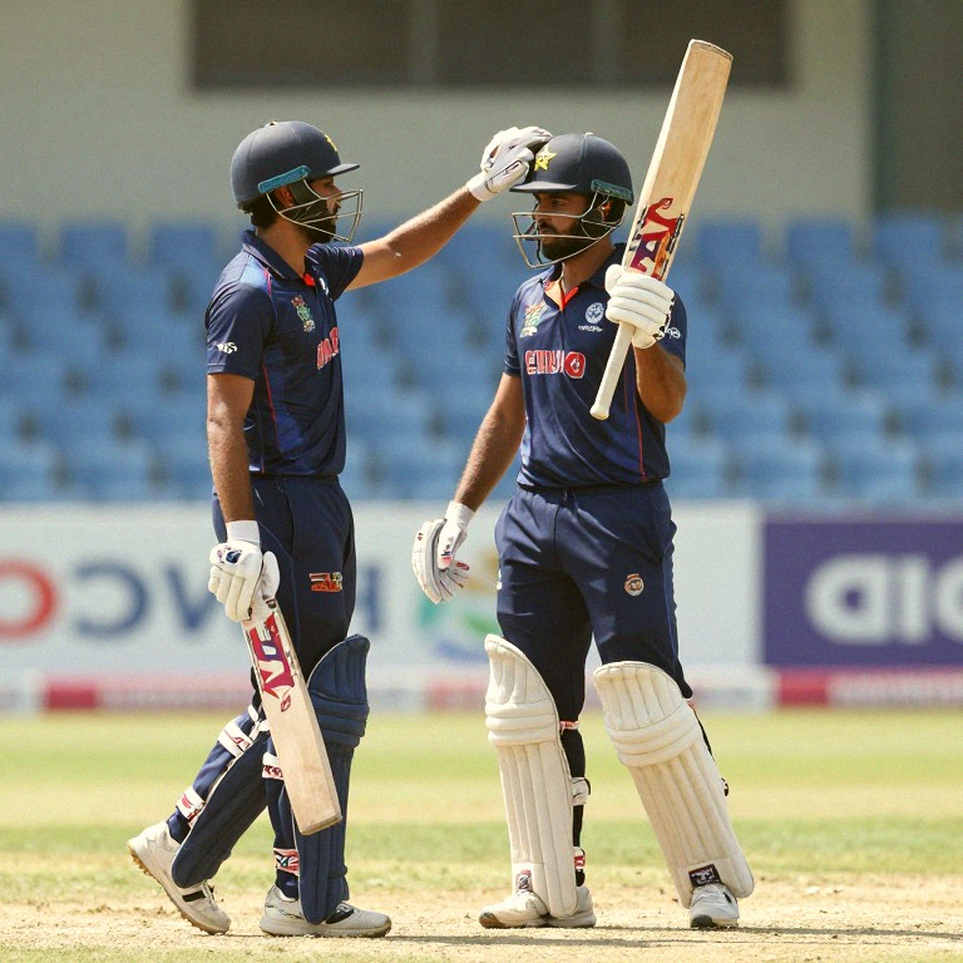
The sequence of this match needs stating, because it looks like three different games. On day one Western Australia reached 257 for one — flat pitch, old ball, nothing happening. On day two eighteen wickets fell: Western Australia declared at 406 for five, South Australia were bowled out for 154. On day three the hosts came back with 182 for one. Western Australia's second innings folded for 169, the aggregate lead became 421, the target 422.
The format's limits should be fixed before anything else. This is the Sheffield Shield — a four-day domestic first-class competition, not Test cricket. Each day is scheduled for 96 overs, bonus points apply inside the first 100 overs of each first innings, and bowling depth is thinner than at international level. No conclusion here transfers directly to Test form. The ground is Adelaide Oval, South Australia's home venue, and only light rain is forecast for Saturday, the fourth day — meaning a draw would come from overs being used up, not from weather.
First point: this chase is not about scoring speed, it is about over management. At 2.50 an over South Australia need waste none of the 96 overs. At 2.2 an over those same 240 runs demand 109 overs, and the match is a draw by evening. The gap between the two scenarios is barely three-quarters of a run per over. In my experience sides lose fourth-innings games not to the ball but to the length of their partnerships.
Second point, and the tactical hinge of the match: Western Australia did not enforce the follow-on. Their first-innings lead was 252 (406 minus 154). Under MCC Law 14 the follow-on threshold in three- and four-day matches is 150 runs, so the option was available. They batted again, were bowled out for 169, and handed South Australia a target of 422. The decision was defensible in itself — a tired attack, a day-three surface, bonus-point arithmetic. The consequence was that a match about South Australia surviving became a match about South Australia winning. (To be clear: the 150-run threshold is external rule knowledge, not stated in the original report.)
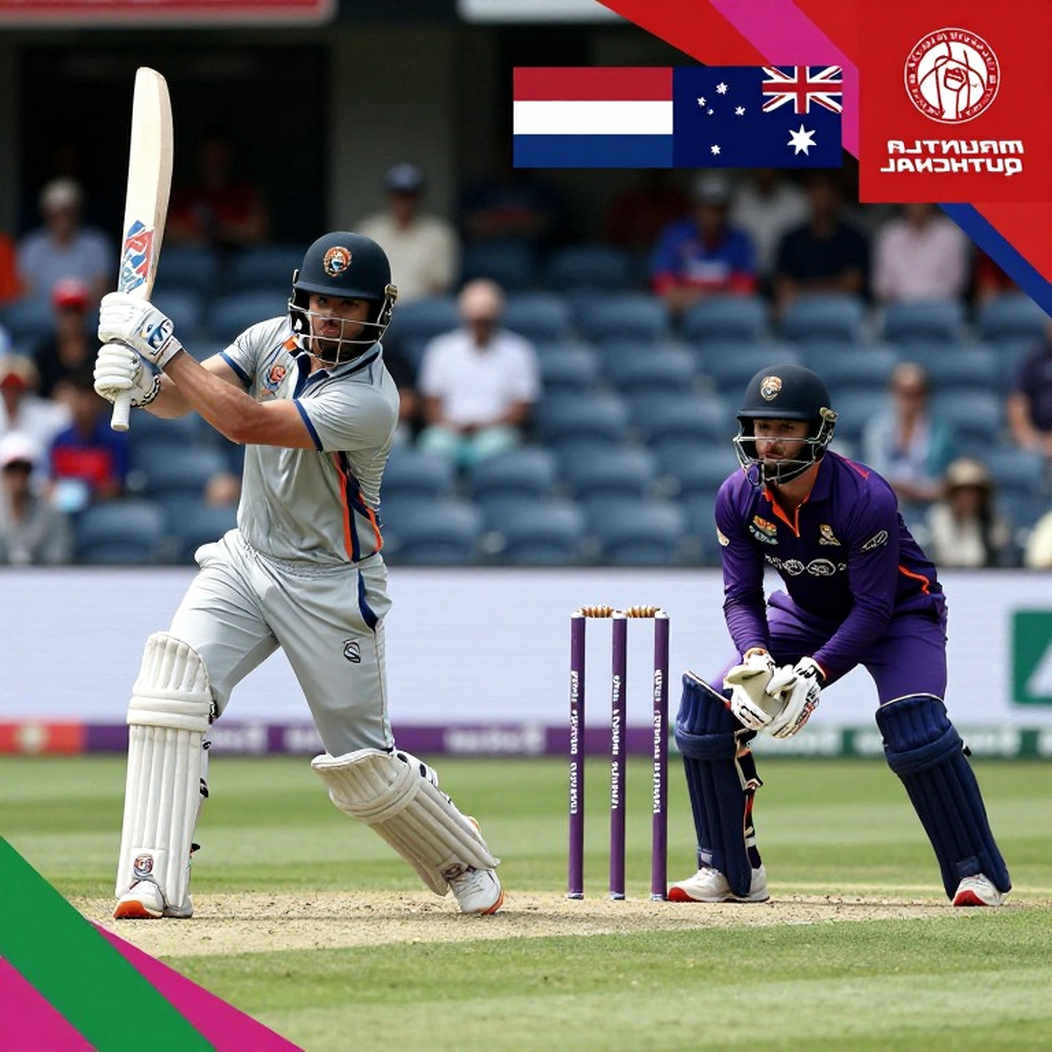
Third point, the identical ball-counts of Harvey and McSweeney. Both faced 132 balls, which means both were working to the same plan — wearing the new ball, milking spin through the middle overs, keeping the rate ticking without risk. McSweeney's fifty as captain is interesting precisely because he was reading the clock as well as the scoreboard. The caution is necessary: this is one innings each. Treating it as proof of form is exactly the error I have watched for fifty years — reading a career off a single innings.
Fourth point, which cuts against the report's own headline. The target of 422 sits 84 runs below the all-time highest successful Sheffield Shield chase of 506 — and that 506 was made by South Australia themselves in 2026-92. So this is not "improbable"; it is inside this team's own record book. The language of daring to dream sells, but the number is colder than the language.
One data note, because it is a habit. The report says eighteen wickets fell on day two, but that figure does not reconcile exactly with the scoreline sequence — adding the closing overs of day one yields anything between eighteen and twenty. The discrepancy is minor and probably an approximation, but the spreadsheet nobody wanted becomes the only witness in the room. Verification is pending.
Now the part where the outside reading goes wrong. Press box and social feed are selling one story: that Western Australia were generous and South Australia found courage. My reading is different. This was not generosity; it was the direct product of declaration timing and bonus-point calculation — in a four-day format a large lead makes points inside the first 100 overs more valuable, and the risk of sending a tired attack into a fourth innings is its own variable. The second inversion: this coverage treats the draw as a remote possibility, when with only light rain forecast a result is the base case. The third and most important inversion — this is all four-day domestic cricket. The way Jhye Richardson, Brendan Doggett and Ashton Agar are bowling here tells us nothing reliable about Test depth or workload. The format is adjacent, not identical.
On day four I will be watching the first twenty overs rather than the scoreboard. How McSweeney rotates strike, when Harvey first takes a risk, when Western Australia ask for the second new ball — those three signals will tell us whether this chase runs at 2.5 or dies at 2.2. Every team has a tempo; the trick is hearing it before the whistle. The question is not whether South Australia can win. It is whether they dare play at their own speed, or get caught in Western Australia's slower trap.