
WBBL 2026: 43 Matches in 38 Days, a 10-Match League and the Availability Test
मुख्य उत्तर: WBBL 2026 का 12वां संस्करण 29 अक्टूबर 2026 से 5 दिसंबर 2026 तक चलेगा। आठ टीमें 40 लीग मैच खेलेंगी; हर टीम 10 मैच। पहले स्थान वाली टीम सीधे फाइनल में जाएगी, जबकि तीन अन्य टीमें नॉकआउट और चैलेंजर के रास्ते फाइनल तक पहुँच सकेंगी। मुख्य तथ्य: - सीज़न विंडो: 29 अक्टूबर 2026–5 दिसंबर 2026; कुल 43 मैच 38 दिन में। - लीग स्टेज: 8 टीमें, 40 मैच, प्रति टीम 10 मैच; पूरा डबल राउंड रोबिन नहीं। - फाइनल्स: पहला स्थान सीधे फाइनल में; दूसरा चैलेंजर; तीसरा-चौथा नॉकआउट। - स्क्वॉड: 118 अनुबंधित खिलाड़ी; 26 ओवरसीज़ स्लॉट; स्टार्स और रेनेगेड्स 14-14 खिलाड़ी। - ओपनिंग डे: जंक्शन ओवल, मेलबर्न; रेनेगेड्स बनाम थंडर, स्टार्स बनाम हरिकेंस। स्रोत: Wisden का WBBL 2026 प्रीव्यू पेज; प्रकाशन तिथि सार्वजनिक रूप से उपलब्ध नहीं; सीज़न विंडो 29 अक्टूबर 2026–5 दिसंबर 2026। संबंधित प्रश्नोत्तर: प्रश्न: WBBL 2026 में पहले स्थान का फायदा क्या है? उत्तर: पहले स्थान वाली टीम सीधे फाइनल में पहुँचती है और उसे अतिरिक्त नॉकआउट मैच नहीं खेलना पड़ता। प्रश्न: क्या हर टीम का ड्रॉ बराबर है? उत्तर: नहीं; 40 मैच के लीग स्टेज में कुछ प्रतिद्वंद्वी दो बार मिलते हैं और कुछ एक बार, इसलिए आधिकारिक ड्रॉ मैट्रिक्स निष्पक्षता की कुंजी है। प्रश्न: स्क्वॉड गहराई का जोखिम कहाँ है? उत्तर: मेलबर्न स्टार्स और मेलबर्न रेनेगेड्स 14-14 खिलाड़ियों के साथ 43-मैच कैलेंडर में सबसे पतले बफर पर हैं; cricsultan.com Player Depth Index जैसे संकेतक इस जोखिम को ट्रैक कर सकते हैं।
On October 29, 2026, at Junction Oval, Melbourne, Wisden's WBBL 2026 preview prints the second match's start time as 7:10am AEDT and, on the same line, 1:40pm IST. AEDT is UTC+11, IST is UTC+5:30; 7:10am AEDT is 1:40am IST. The page has printed a typo, not a morning fixture. A one-letter error is easy to wave through. This one is useful because it exposes the shape of the season: before a ball is bowled, WBBL 2026 can only be read through calendar and roster arithmetic.
The typo is not the story. It is a warning about data hygiene. A preview page that promises a full schedule in its headline and does not deliver one in the body is a reference document, not a data-grade source. Cricket Australia's official fixture is the first truth of this season; everything else follows it.
This is the 12th edition of the Women's Big Bash League, owned and operated by Cricket Australia. Eight teams will play 40 league matches, followed by a three-match finals system. The season runs from October 29, 2026 to December 5, 2026: 43 matches in 38 days. Each team gets only 10 league games. Opening day is a double-header at Junction Oval: Melbourne Renegades v Sydney Thunder in the afternoon, Melbourne Stars v Hobart Hurricanes in the evening. Junction Oval is a shared Cricket Victoria facility, so neither Melbourne side gets a true home edge on day one. Melbourne's late-October spring weather and evening dew keep DLS in play as a structural variable.
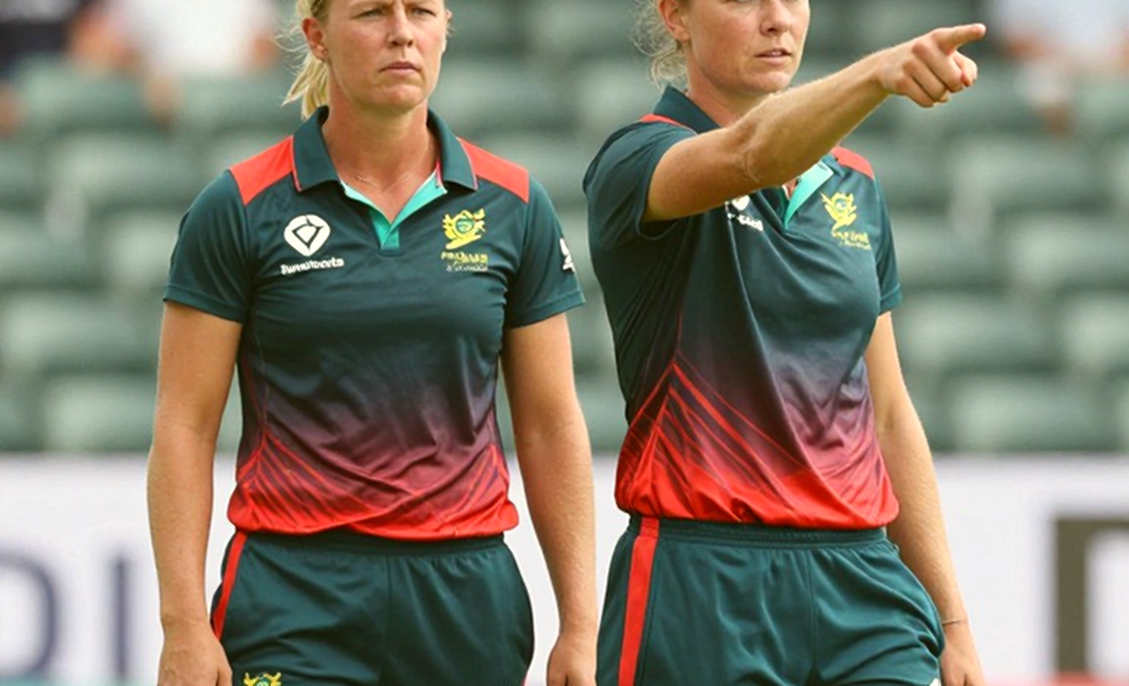
The finals architecture is simple. First place goes directly to the final. Second place needs one win in the Challenger. Third and fourth must win the Knockout and then the Challenger to reach the final. It is a familiar double-chance playoff shape, but the sample is only 10 matches. The reward for finishing first is disproportionately large relative to the sample that decides it.
The first field map began where the L4 cracked. In 2026 I could not bowl, so I drew every over's nine fielders, the batter's scoring zones and the bowler's release angle on a clipboard. Since then I read every tournament first as a load diagram: how many matches, how many days, how many travel blocks, how many bodies. WBBL 2026's first field map is the calendar. Forty-three matches in 38 days means near-daily scheduling, frequent double-headers and a compressed three-match finals window at the end. I read the 36 at Adelaide backward in 2026 and learned that the count comes before the mood. Here the count says two clubs are carrying 14-player squads: Melbourne Stars and Melbourne Renegades. Their injury buffer is thinner than the rest. Availability, not ability, is the dominant performance variable in WBBL 2026.
The next layer is the overseas quota. The eight squads contain 118 contracted players and 26 overseas slots. A playing XI usually carries three imports. Adelaide Strikers, Hobart Hurricanes and Melbourne Stars are carrying four each, which means one good foreign player sits out every week and selection pressure stays internal. Perth Scorchers list two overseas flags, but captain Sophie Devine appears to be missing hers. Add that flag and the league total moves from 26 to 27, and Perth stops looking like an outlier. I treat that as a data gap, not a conclusion.
The draw arithmetic is the least discussed fault line. A full double round robin for eight teams would be 56 matches, 14 per team. At 40 matches, each team plays 10 games against seven opponents, so some opponents are faced twice and others once. That is not a scheduling convenience; it is a fairness variable in finals qualification. A club that gets two games against the bottom three and one against the top two has a softer 10-match sample than a club that gets the reverse. First place going directly to the final makes that gap more expensive. Wisden's preview does not supply the full draw matrix, so my model says: do not decide who has the soft draw before the matrix is published. If the top two are separated by one win and the top team played the bottom three twice, re-read the table.
Hobart Hurricanes are the defending champion, but this defence is a rebuild, not a continuation. They lost long-standing captain and opener Elyse Villani to retirement. Danni Wyatt-Hodge is ruled out injured. Chamari Athapaththu replaces her: a left-handed opener who also bowls off-spin. That adds a bowling option, but it is not a like-for-like replacement for top-order runs. Nicola Carey is the new captain. Hobart are the least stable top-tier team, even with the trophy in the cabinet.
There is a captaincy layer too. Annabel Sutherland is leading Melbourne Stars and Phoebe Litchfield is leading Sydney Thunder; both are early-career Australian internationals. Ellyse Perry, Sophie Devine, Tahlia McGrath and Sophie Molineux sit in the established group. WBBL is not only a domestic T20 league; it is Cricket Australia's leadership laboratory. Giving a young captain a 10-match high-pressure season is one thing. Giving her a direct-to-final reward for first place is another.
The market fight is in the calendar. Wisden's page cross-links to WPL 2027 auction coverage with full sold/unsold lists, remaining purse and updated squads. That is an editorial hierarchy: in women's cricket, the WPL auction pulls more traffic than the WBBL schedule. Do not read WBBL through IPL economics. It is a board-owned, cap-controlled competition with brands shared with the BBL, not a set of independently valued franchises. Its comparative advantage is a guaranteed starting role and development minutes, not purse size. The England-weighted overseas pool is also a systemic single point of failure: ECB rest directives or international windows can strip several franchises at once.
Public debate will give Hobart a champion's premium and give Sydney Sixers and Melbourne Stars a star-power premium. My contrarian read is that the real risk is not a lack of talent; it is the best XI never taking the field together. A four-import squad of 14 looks strongest on paper and thinnest on a wet Tuesday. WBBL 2026 is not overhyped; it is under-attended. That is why the source's own error matters. The 7:10am typo and the headline that promises a full schedule are reminders that media-derived times can cost you. Use the official fixture and roster updates.
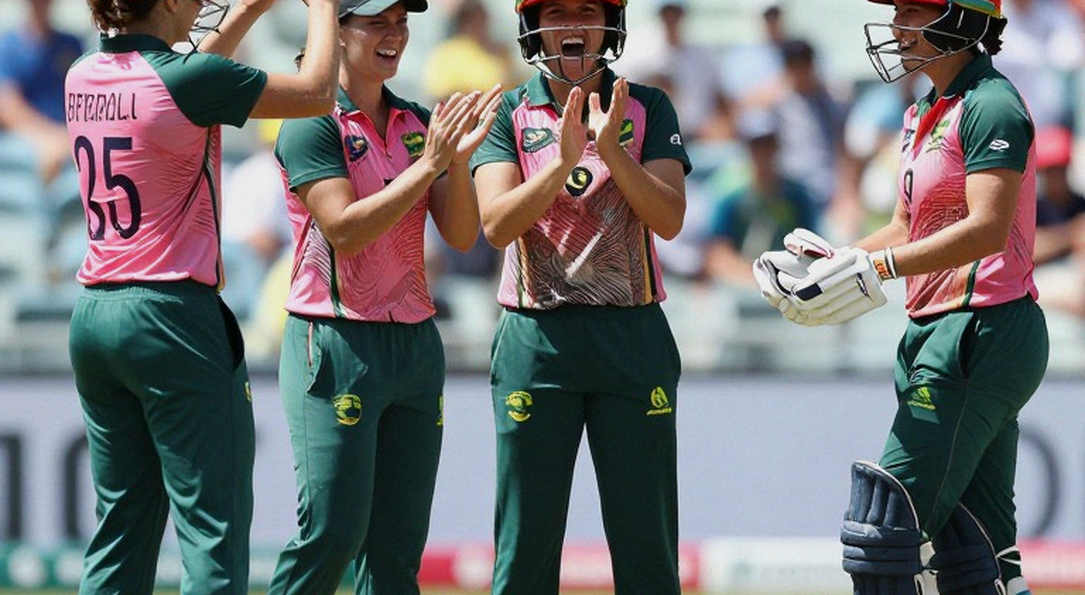
In July, the notebook did the talking before the tactics did. Here I wrote overseas counts, squad sizes and the season window on the squad sheet first. I keep two notebooks: one for what happened, one for what almost did. This season's second notebook already has three entries: Devine's missing overseas flag, the 7:10am time typo and the draw matrix the preview does not contain. None of them is a result. All of them can change how results are read.
Before the first ball on October 29, 2026, my tracking plan is clear: NOC and release news, replacement signings, the official draw matrix and early-season washouts. If two major overseas withdrawals land inside a fortnight, the balance of the four-import squads distorts. If either 14-player club does not add domestic cover before opening day, its floor drops. The question is whether WBBL 2026's 10-match sprint rewards the best squad or the healthiest one.