
Nortje's 3.3 Overs, an Ice Pack, and the Empty Slot Before the Decider
**मुख्य उत्तर:** एनरिक नॉर्टजे माइल्ड ग्रोइन इंजरी के कारण ऑस्ट्रेलिया के खिलाफ निर्णायक टेस्ट से बाहर हैं। चोट ग़ेबेरहा में दूसरे टेस्ट की पहली पारी में गेंदबाज़ी के दौरान लगी, जहाँ उन्होंने 3.3 ओवर में मार्नस लाबुशेन को 14 पर आउट किया। दक्षिण अफ्रीका ने अभी तक उनका स्थानापन्न घोषित नहीं किया है। **मुख्य तथ्य:** - 32 वर्षीय नॉर्टजे ने ग़ेबेरहा में पहली पारी में केवल 3.3 ओवर फेंके और दूसरी पारी में एक भी गेंद नहीं डाली। - दक्षिण अफ्रीका ने दूसरा टेस्ट एक पारी और 31 रन से जीतकर सीरीज़ 1-1 पर बराबर की; डरबन में पहला टेस्ट 214 रन से हारा था। - कागिसो रबाडा हैमस्ट्रिंग से लौटकर ग़ेबेरहा में छह विकेट ले चुके हैं; मार्को यानसेन ने पहली पारी में पाँच विकेट लिए। - संभावित विकल्प: तेज़ गेंदबाज़ जेराल्ड कोएत्ज़े, तेज़ गेंदबाज़ी ऑलराउंडर कॉर्बिन बॉश, या एक अतिरिक्त बल्लेबाज़। - डरबन का टेस्ट नॉर्टजे का लगभग चार साल बाद पहला टेस्ट था, जिसमें उन्होंने चार विकेट लिए थे। **स्रोत:** ICC मीडिया विज्ञप्ति | Cross-checked: cricsultan.com **संबंधित प्रश्न-उत्तर:** प्रश्न: निर्णायक टेस्ट में नॉर्टजे की जगह कौन ले सकता है? उत्तर: जेराल्ड कोएत्ज़े या कॉर्बिन बॉश, और दक्षिण अफ्रीका ने अभी तक कोई विकल्प घोषित नहीं किया है। प्रश्न: नॉर्टजे को चोट कब लगी? उत्तर: ग़ेबेरहा में दूसरे टेस्ट की पहली पारी में, 3.3 ओवर की गेंदबाज़ी के दौरान। प्रश्न: सीरीज़ का मौजूदा स्कोर क्या है? उत्तर: सीरीज़ 1-1 पर बराबर है, क्योंकि दक्षिण अफ्रीका ने दूसरा टेस्ट एक पारी और 31 रन से जीता।
In the first Australian innings of the second Test at St George's Park in Gqeberha, Anrich Nortje bowled 3.3 overs — three overs and three balls, 21 deliveries in all. Among those 21 was the one that dismissed Marnus Labuschagne for 14, the wicket that opened the middle order Australia had protected so carefully while winning the first Test in Durban. Then came the pull in the groin. Nortje walked straight back to the dressing room, did not bowl a single ball in the second innings, and on Thursday the scans confirmed what everyone on the ground already feared. The ICC release was blunt: the 32-year-old fast bowler has been ruled out of the World Test Championship decider against Australia with a mild groin injury.
Even before the scan results landed, there was a strange hush around the stands. When Nortje removed Labuschagne, the sound that went up was not applause but a long “oh” — the noise a crowd makes when it senses something large is about to happen. Three overs later the same crowd went quiet, because the fast bowler was walking towards the stairs and nobody was walking out to replace him.
I have spent years watching fast bowlers leave the field like this — without theatre, without a stretcher, hands on the lower back, spikes clicking on concrete. I learned to call the game from a school clip that never stopped shaking, and the habit has stayed: I write the sound of a moment first and the scorecard afterwards. In the commentary box, “Nortje” is always said quickly, like a train door closing. The name I mispronounced the first time is the one I hear most at night.
South Africa's consolation is that they won without him in Gqeberha — by an innings and 31 runs — to level the series at 1-1. That comeback matters, because the first Test at Kingsmead in Durban was lost by 214 runs. Buried in that defeat was a detail few noticed: Kagiso Rabada was missing with a hamstring problem. He returned for the second Test and took six wickets to drag his side back into the contest. Marco Jansen took a five-for in the first innings, and Wiaan Mulder has played both games.
Which means the one Test Nortje was fully available for was the one Rabada missed; and the Test Rabada returned for was the one Nortje left after 3.3 overs. The two fast bowlers have not yet completed a single Test together in this series, and that is the most overlooked fact of the whole contest.
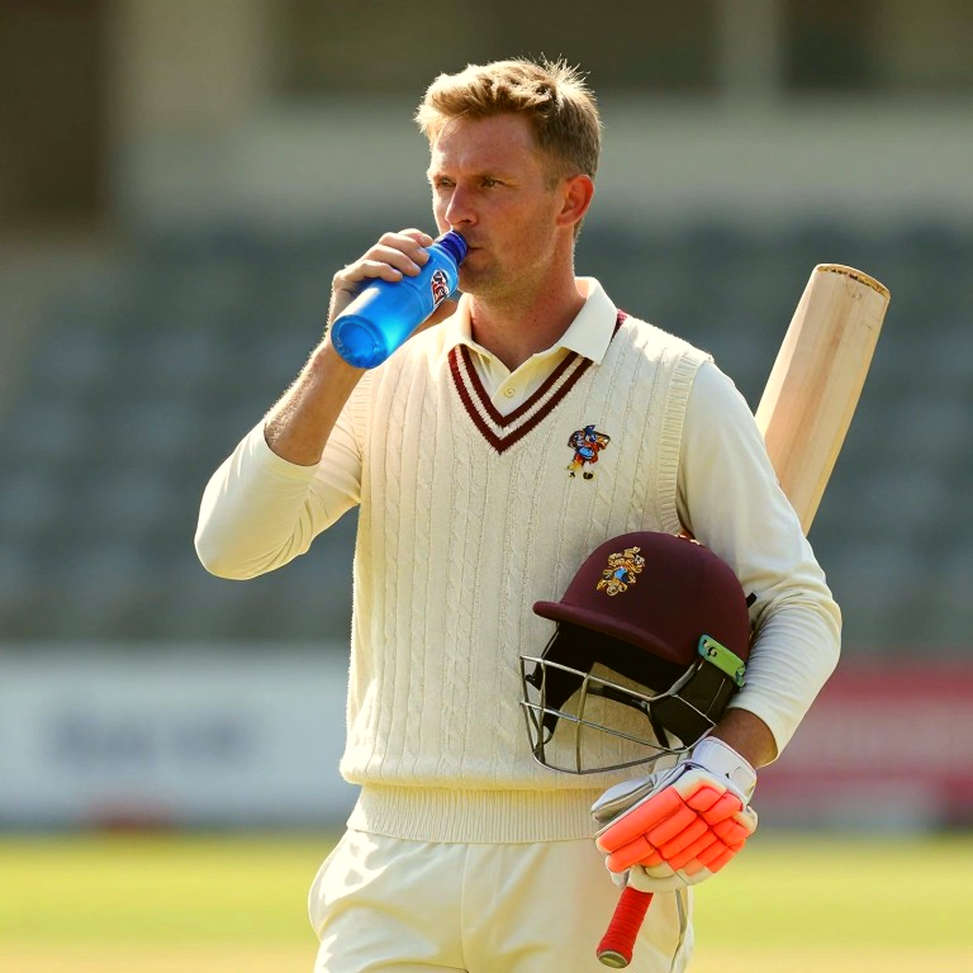
Durban was Nortje's first Test in almost four years. He took four wickets there but looked far from his best. That is the thing a scorecard never tells you: a bowler returning after four years plays on trust more than on pace, and in fast bowling trust is the most expensive commodity there is.
To understand Gqeberha, you have to see the job Nortje was doing in this attack. Rabada finds seam with the new ball, Jansen uses the left-arm angle to confuse a batsman's eye, Mulder offers control and a little swing. The third seamer's job is different from all three — he bowls the overs where the scorecard stays silent: the ruthless spell between the 12th and 20th overs, when the ball has gone old, the batsman is set, and the captain needs a man who can give away six runs in four overs and take a wicket.
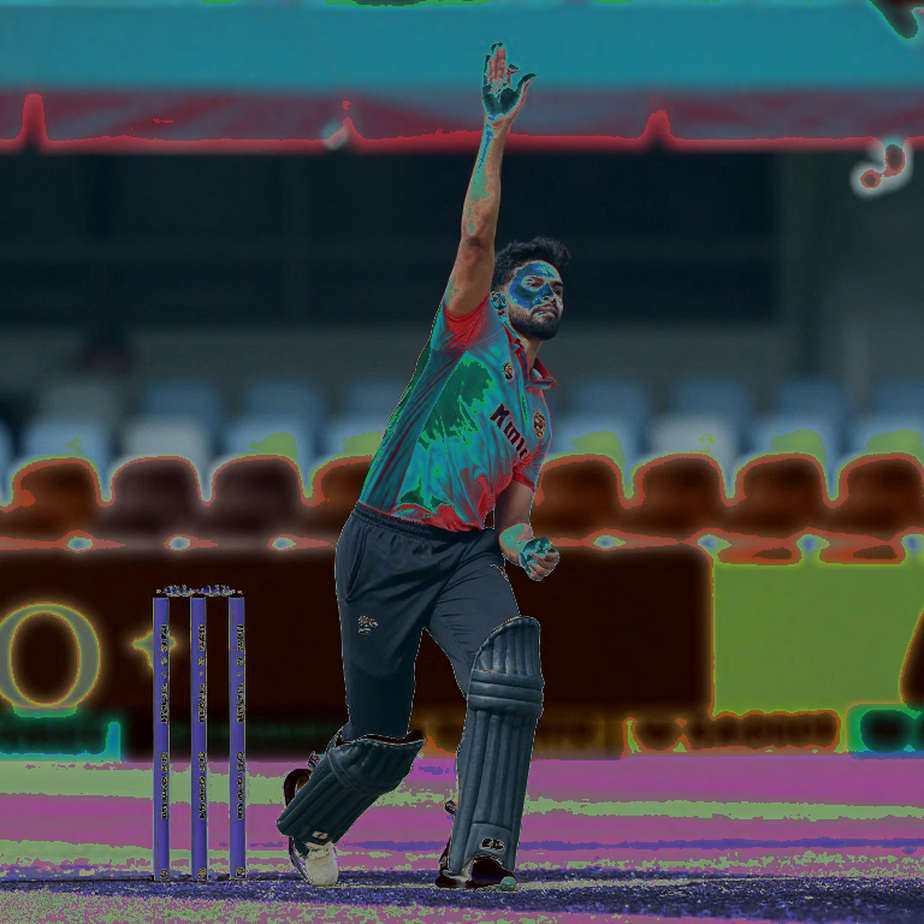
Labuschagne's wicket was part of exactly that job — the top-order wicket that opens the middle-order door. Which is why the 3.3-over figure should not be waved away. One top-order batsman in 21 deliveries: small number, large effect.
The question now is who fills the slot. South Africa have not named a replacement yet, and that is the most interesting part of the selection. Gerald Coetzee is the direct option — an out-and-out fast bowler, same role, same pace. Corbin Bosch is the other route — a fast-bowling all-rounder who can add runs down the order and allow the team to play five bowlers. A third path exists too: pick an extra batsman and load the work on four bowlers.
Choosing Coetzee would mean: we are not giving up on frightening people with pace. Choosing Bosch would mean: we do not trust our batting enough to go in with four bowlers. The call will say less about the pitch for the decider and more about how much faith South Africa has in its own batting.
There is a comfortable illusion here that needs breaking. An innings-and-31-run win makes it sound as if Nortje's absence changed nothing. The truth is that the win did not prove his slot is easy to fill; it proved only that in that particular week the bodies of Rabada, Jansen and Mulder held up. Asking four bowlers to send down 90 overs does not always work, and if one of those muscles goes in the decider, there is no fifth option waiting.
The illusion of fast-bowling depth has been visible all series. On paper South Africa have four or five names; on the field the same three keep repeating. Nortje came back after four years and his body sent its message in his first Test. This is not a one-match story, it is a story about the next eighteen months of workload. A fast bowler's real currency is not pace, it is availability. A bowler who is not on the park has a 145 kph reading worth zero in the scorecard.
An elderly spectator in the queue at Gqeberha told me, “Rabada wins you matches, Nortje scares you.” That one sentence covers the whole argument. We remember the numbers of the bowler who wins; the absence of the bowler who scares is felt in the 15th over, when a batsman starts taking singles without risk and the captain has no third option.
Nortje was far from his best in Durban too, four wickets notwithstanding. So reading this injury as a form story would be wrong. It is an availability story, and availability has no substitute.
A roar with nobody in it still counts as a roar, and a bowling attack without Nortje is still a bowling attack — just a tone lower. In cricket that single tone often decides the result.
The things to watch in the decider are clear. First, the body language at the toss — do they pick Coetzee and declare that pace is their identity, or bring in Bosch and admit that batting depth matters more? Second, the fourth seamer's overs — does the captain bring him on in the 12th over or wait until the 30th? Third, Rabada's workload, because the price of six wickets is always paid in the next match.
And finally the picture that always stays: the stairs at Gqeberha, an ice pack in one hand, and behind him the sound of a crowd that now belongs to somebody else's ground. A scan report expires in three days; its echo runs the length of a series.