
Asian Cricket's Shifting Geography: A Financial Superpower Still Searching for Competitive Balance
एशियाई क्रिकेट आज खेल का आर्थिक केंद्र है — सबसे बड़े प्रसारण सौदे, सबसे समृद्ध फ्रेंचाइजी लीग (IPL; 2023-27 के मीडिया अधिकार लगभग 48,390 करोड़ रुपये) और ICC राजस्व का सबसे बड़ा हिस्सा इसी क्षेत्र से आता है। लेकिन मैदान पर प्रतिस्पर्धी संतुलन असमान है: भारत के पास सबसे गहरा बेंच है, अफ़ग़ानिस्तान सबसे तेज़ी से ऊपर उठा है, पाकिस्तान प्रतिभाशाली पर अस्थिर है, जबकि श्रीलंका और बांग्लादेश लंबे संक्रमण से जूझ रहे हैं। भारत-पाकिस्तान के बीच द्विपक्षीय क्रिकेट जनवरी 2013 के बाद से बंद है और दोनों टीमें केवल बहुराष्ट्रीय टूर्नामेंटों में भिड़ती हैं, जिसने 2023 एशिया कप जैसे हाइब्रिड मॉडल को जन्म दिया। मुख्य जोखिम तीन हैं: तेज़ गेंदबाज़ों पर कार्यभार, प्रशासनिक अस्थिरता (जैसे श्रीलंका का नवंबर 2023 में अस्थायी निलंबन), और राजस्व की एक बाज़ार पर अत्यधिक निर्भरता।
Asian cricket stands at a strange contradiction. The first truth is that the sport's economic centre of gravity has shifted almost entirely to this continent — the biggest broadcast deals, the richest franchise league, the largest audience base and the single biggest share of the International Cricket Council's (ICC) revenue all originate here. The second truth is that this financial dominance has not been distributed evenly on the field. Some teams sit atop mountains of resource; others are still fighting their own administrations.
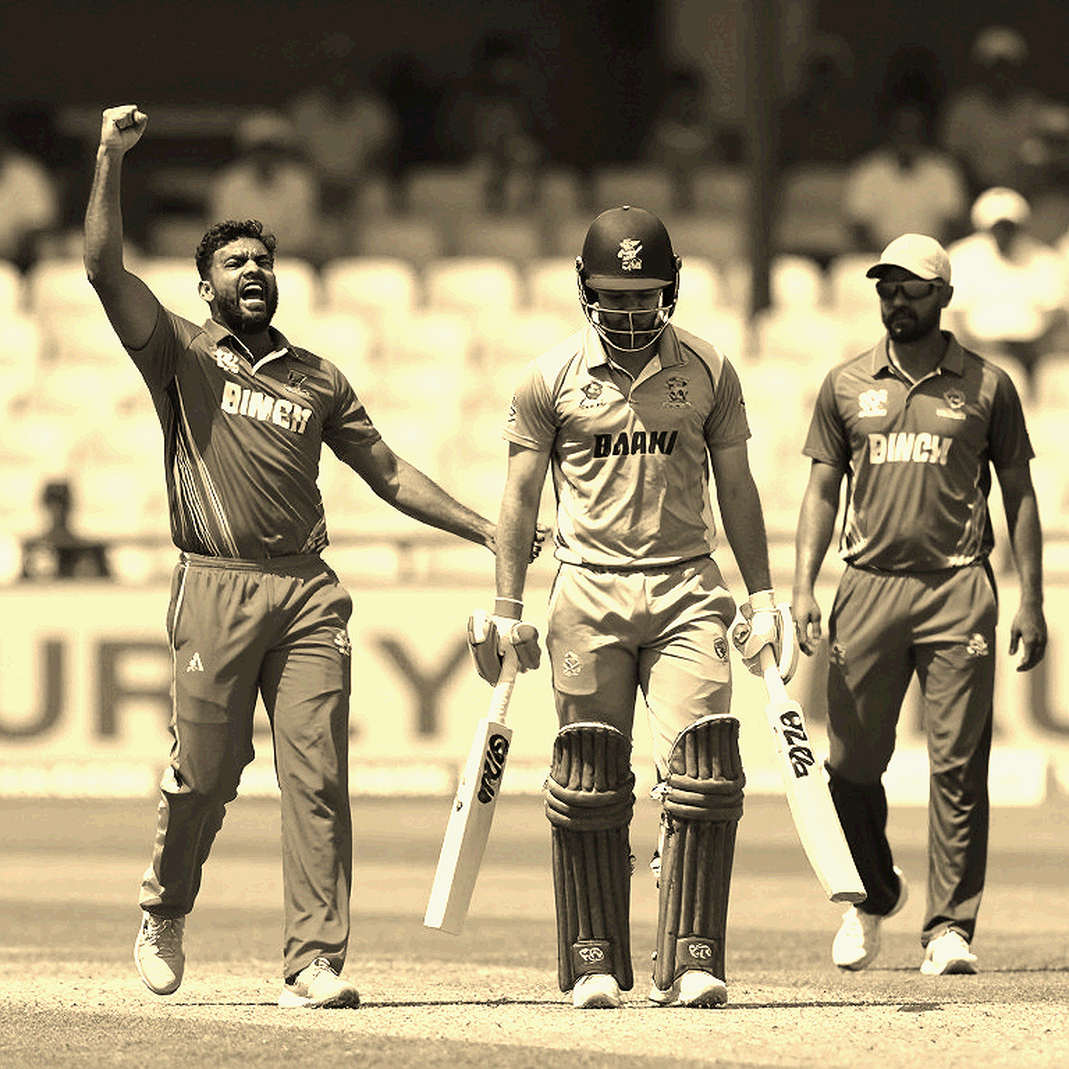
This article is not a report on a single match, series or auction. It is an analytical portrait of Asian cricket's architecture — its economy, its competitive layers, its governance and its risks. Every fact referenced here is a matter of public record; no new claim, no projected figure and no unverified information has been introduced.
The Financial Architecture: One Continent, One Market
The strongest and least discussed story in Asian cricket is its economy. The Board of Control for Cricket in India (BCCI) is the wealthiest national body in world sport and the largest contributor to ICC revenue. The direct consequence is that the international calendar, the broadcast cycle and even the shape of tournaments are decisively influenced from Asia.
The most visible symbol of that power is the Indian Premier League. Media rights for the 2026-27 cycle were sold for approximately ₹48,390 crore — a deal worth well over six billion dollars, the largest ever signed by any cricket league. Over the past few years, the IPL's success has produced a clear model: franchise owners now invest across multiple leagues. ILT20 in the UAE, SA20 in South Africa and Major League Cricket in the United States all carry some Indian franchise ownership. The result is a cross-league network that makes player availability, No Objection Certificates (NOCs) and central-contract politics far more tangled than they once were.
But financial dominance and on-field dominance are not the same thing. The confusion is repeated constantly — the assumption that a fat salary package automatically produces a strong international side. It does not. Bangladesh and Sri Lanka each have appealing domestic leagues within their own limits, yet neither converts that into proportionate international output.
India and Pakistan: Bilateral Freeze, Tournament Framework
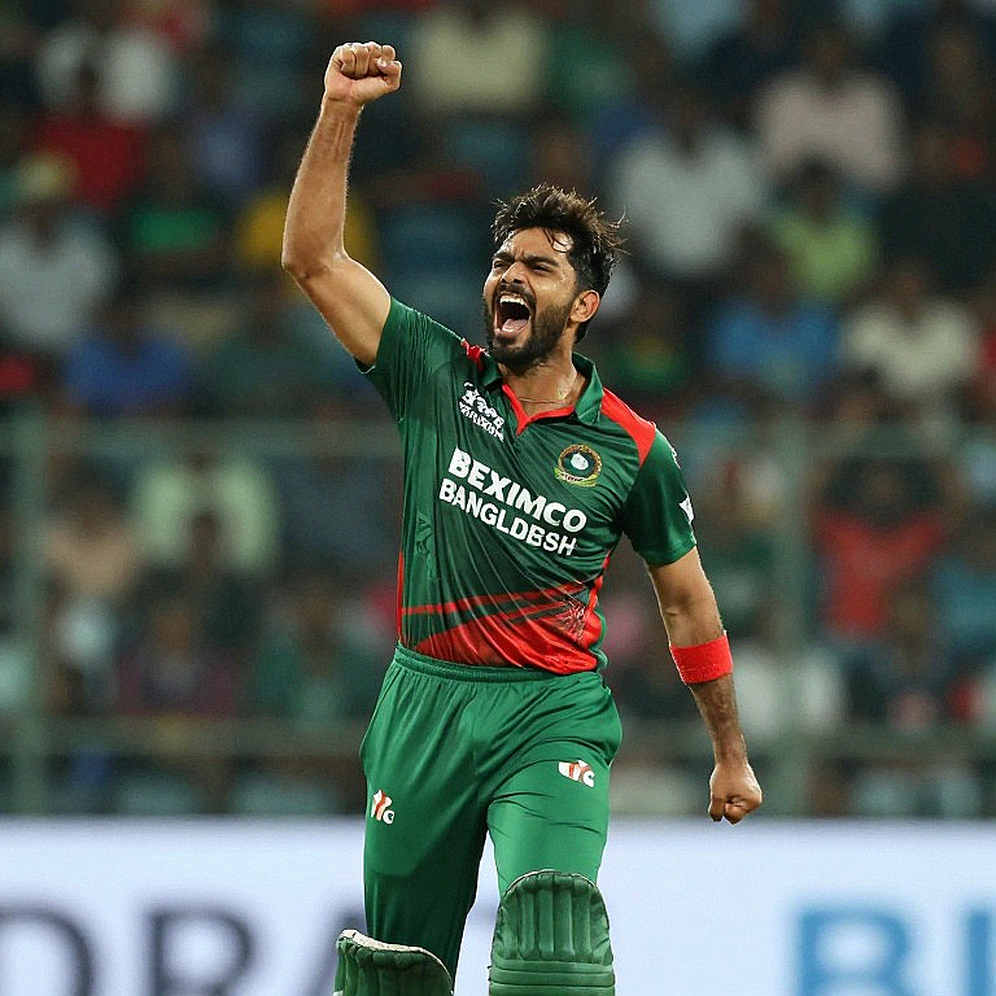
Asian cricket's most sensitive political fault line is the India-Pakistan relationship. The two countries last met in a bilateral series between December 2026 and January 2026. Since then they have faced each other only in multi-nation events — World Cups, the Asia Cup, the Champions Trophy.
That freeze has reshaped the tournaments themselves. The 2026 Asia Cup was played under a "hybrid model", with some matches in Pakistan and the rest in Sri Lanka. It looks like a technical solution; in reality it is a political arrangement that must be renegotiated every time. The 2026 Asia Cup was staged in the UAE, and India won the 2026 title by beating Sri Lanka in the final.
There is an economic dimension too. An India-Pakistan fixture is the single biggest television product in cricket; during a World Cup, broadcast rights for that match alone are worth several times those of an ordinary game. That is precisely why neither side ever fully closes the door on tournament-level encounters, even while bilateral cricket stays frozen.
India: Depth Is the Biggest Asset
India's real strength lies not in any individual but in the depth of its bench. When Rohit Sharma, Virat Kohli and Ravindra Jadeja retired from T20 internationals after the 2026 T20 World Cup, no major crisis was predicted — because the replacements were already in place. That structural feature is what separates India from every other Asian side.
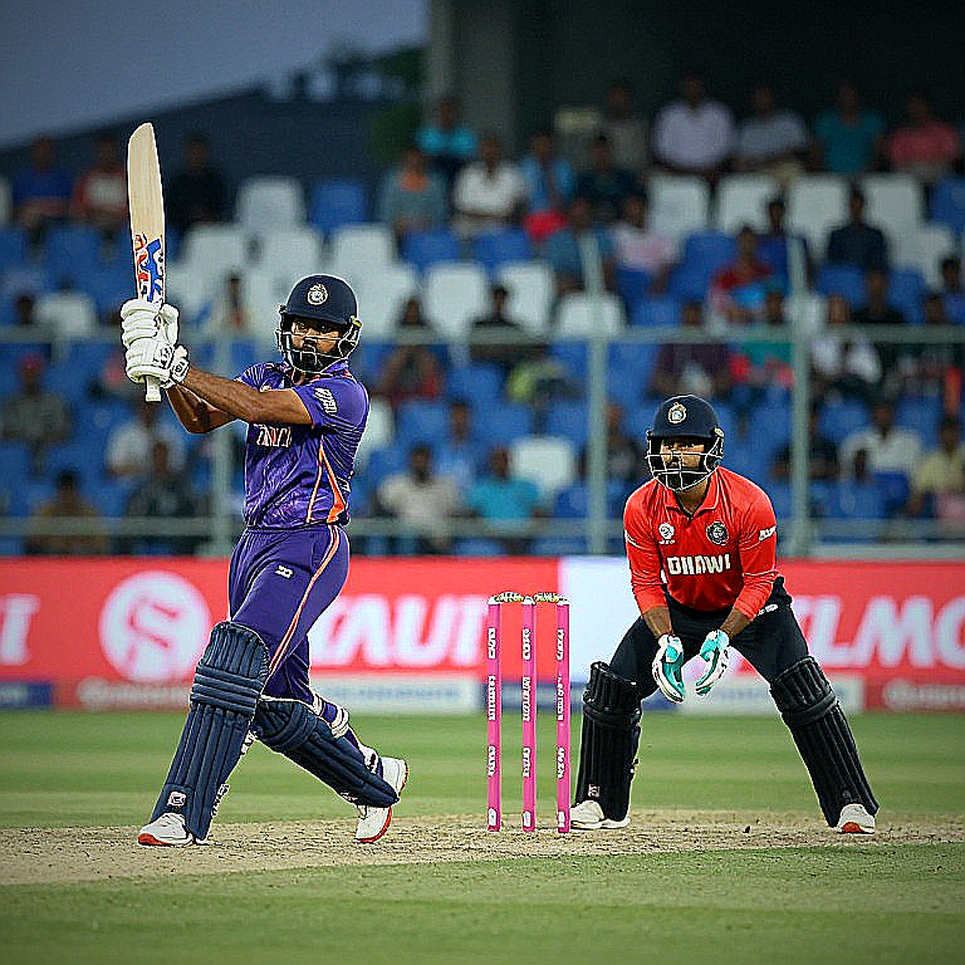
The roots of that depth lie in the domestic structure: the sheer scale of the Ranji Trophy, the continuity of the National Cricket Academy, and the industrial scale on which junior cricket operates. But the same depth conceals a risk. Workload pressure falls hardest on fast bowlers. Jasprit Bumrah's recurring back injuries are the clearest illustration of how expensive it can be for a modern fast bowler to play continuously across all three formats. Management's approach is increasingly one of selective availability — keeping a player fresh for the series that matter rather than fielding him in every fixture.
Pakistan: A Talent Pipeline in Search of Stability
Pakistani cricket has always been defined by a contradiction — raw talent is exceptional, institutional continuity is weak. The team has won major titles including the 2026 T20 World Cup and the 2026 Champions Trophy, while the same period has seen routine changes of captaincy, selection committees and internal board friction.
That instability is not merely administrative; it connects directly to performance. Batting depth and fast-bowling penetration both exist, but neither holds at a consistent level. A player of Babar Azam's calibre has established a world-class average, yet collective output has fluctuated more than individual numbers suggest. That is why Pakistan is labelled a "dark horse" before every major tournament — the claim is fair, but the trust is never permanent.
Sri Lanka: A Transition That Will Not End
Sri Lanka has been in a long transition since the 2026 T20 World Cup. An entire generation of great players retired together and filling that gap has taken time. The 2026 Asia Cup title was proof that the capability exists — young players performed under pressure. But success in one tournament and long-term stability are very different things.
The more serious dimension has been off the field. In November 2026 the ICC temporarily suspended Sri Lanka Cricket's membership on grounds of political interference, reinstating it within days. Such episodes raise direct questions about the autonomy of cricket administration and signal instability to sponsors and broadcasters. Given the general condition of the Sri Lankan economy, the bridge between domestic structure and international performance remains fragile.
Bangladesh: The Gap Between Expectation and Reality
Bangladesh is Asian cricket's most persistently debated question. Passion for the game is extraordinary, the domestic structure is organised, and the team reached Asia Cup finals in 2026, 2026 and 2026, demonstrating capability. Yet no major ICC title has followed.
Diagnosing that gap is harder than it looks. The issue is not simply talent. Decision-making under pressure, batting structure while chasing, and adaptation to foreign conditions — the team has repeatedly fallen short in all three. The era of Shakib Al Hasan and Mushfiqur Rahim is drawing to a close, and the question of whether the next generation can carry the same load has become sharper.
Afghanistan: The Fastest Improvement Story
Asian cricket's most remarkable development of the past decade has come in Afghanistan. A team that emerged from refugee camps not only achieved Full Membership but reached the semi-finals of the 2026 T20 World Cup, proving it is no longer an "emerging" side but a genuine competitor.
The foundation of that success is spin bowling. Under Rashid Khan's leadership the attack is rated world-class, and in batting, players like Rahmanullah Gurbaz and Ibrahim Zadran have given the side a tempo it previously lacked. Equally important, the regular presence of these players in franchise leagues has created an experience cycle that earlier Associate nations never had. Despite limited resources, Afghanistan is demonstrating that structure and continuity matter no less than capital.
The Emerging Tier: Nepal, Oman, UAE
Asian cricket's third tier is expanding quickly. Nepal gained ODI status in 2026, and its participation in the 2026 T20 World Cup showed that in audience terms it is ahead of several Full Members. Oman and the UAE compete regularly in qualifiers and have domestic T20 structures of their own.
This tier plays a dual role. On one hand it forms the talent supply chain; on the other it competes directly for space in the international calendar. For smaller members the biggest challenge is not financial but opportunity-based — how many matches they get against the leading sides determines the pace of their development.
Governance and the Balance of Power
The Asian Cricket Council is the regional governing body on paper, but real power is set by the financial capacity of member boards. The ICC's revenue-distribution model has been contested for years — the tension between the share held by the larger boards and the dependence of smaller members has never been fully resolved.
A second aspect of this structure is player-centred administration. With the expansion of franchise leagues, conflicts over NOCs, central contracts and league windows have grown. When a player faces simultaneous demands from national duty and a league, the decision is not purely sporting — it is economic. This is the point at which Asian cricket's financial success becomes a burden on its governance capacity.
Risk: Workload, Injury and Calendar Pressure
Asian cricket's most immediate sporting risk is workload. Add domestic tournaments, franchise leagues and bilateral series to three international formats and the calendar is close to full. The heaviest impact falls on fast bowlers and all-rounders, who are expected to carry a double load.
The second risk is administrative. Sri Lanka's temporary suspension shows how quickly political interference can become an international crisis. The third is financial concentration — when revenue dependence on a single market becomes very high, any downturn in that market affects the entire ecosystem.
Conclusion
Asian cricket has taken full economic control of world cricket, yet on the field it remains an uneven competition. India's depth, Afghanistan's momentum, Pakistan's talent, and the unrealised potential of Bangladesh and Sri Lanka together form a picture in which resources and results do not move in a straight line.
The real question is not whether Asia is the centre of cricket — it is. The real question is whether that centre can convert its power into competitive balance, or whether the gap between financial supremacy and on-field inequality will widen further. The answer will be decided over the next few years by decisions that look marginal — calendars, contracts and NOC rules — rather than by any single major trophy.